

As any building owner or manager knows, HVAC systems are critical to the comfort and well-being of occupants. In addition to providing temperature control, HVAC systems can also have a significant impact on indoor air quality, which can affect occupant health and productivity. However, when these systems malfunction or fail altogether, the consequences can be disastrous, leading to costly repairs, lost productivity, and potentially even health risks. That’s why it’s so important to have a comprehensive maintenance program in place to prevent HVAC issues and disasters.
Preventive maintenance is a critical aspect of any HVAC maintenance program. By regularly inspecting and servicing equipment, technicians can identify potential issues before they become major problems. For example, a technician might notice a worn belt on a fan motor during a routine inspection. If left unaddressed, that belt could break, causing the motor to fail and potentially damaging other components in the system. By replacing the belt before it fails, the technician can prevent more serious issues and extend the life of the equipment.
Preventive maintenance can also help ensure that HVAC systems are running efficiently. When equipment is dirty or damaged, it has to work harder to maintain the desired temperature, which can result in higher energy bills and decreased equipment lifespan. Regular cleaning and maintenance can help keep equipment running smoothly, improving energy efficiency and reducing wear and tear.
Another important component of any HVAC maintenance program is regular system testing and monitoring. This includes testing and calibrating thermostats and other control devices, monitoring refrigerant levels, and inspecting ductwork and other system components for leaks. By keeping a close eye on these critical components, technicians can ensure that systems are operating at peak efficiency and catch any issues before they turn into major problems.
In addition to preventing equipment failures and improving energy efficiency, regular maintenance can also help improve indoor air quality. Dust, dirt, and other contaminants can build up in HVAC systems over time, leading to poor indoor air quality and potentially even health risks for occupants. Regular cleaning and maintenance can help remove these contaminants and ensure that systems are operating as intended, providing clean and healthy air for building occupants.
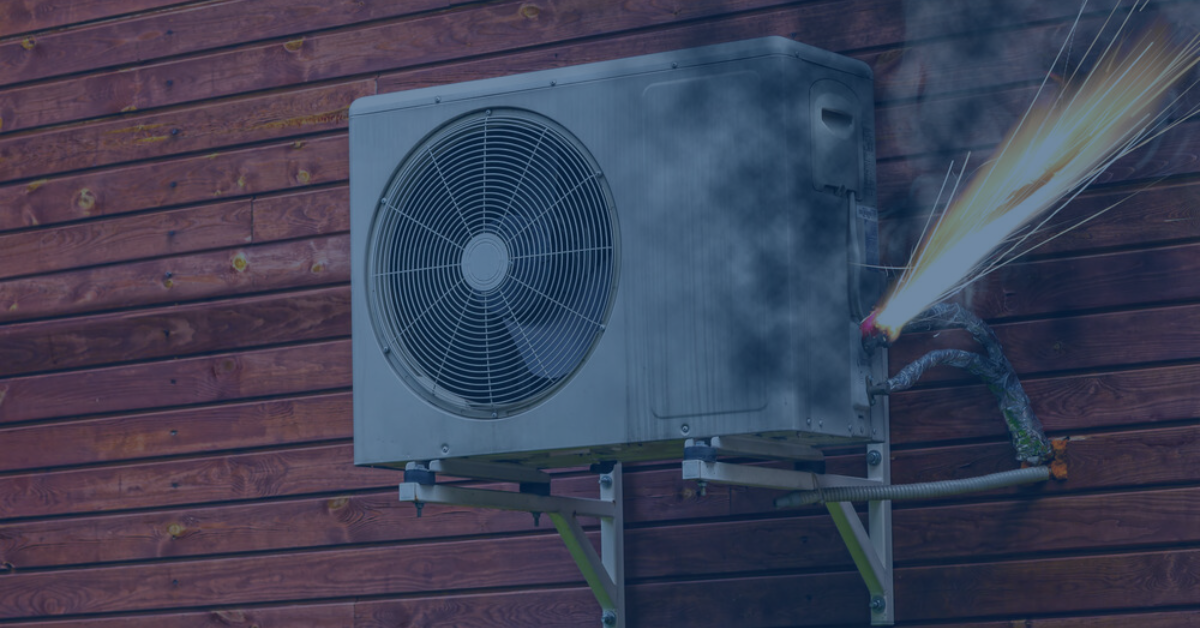
Perhaps most importantly, a comprehensive maintenance program can help prevent disasters that could otherwise have serious consequences. For example, a poorly maintained HVAC system could leak carbon monoxide, leading to serious health risks for occupants. In extreme cases, a neglected HVAC system could even spark a fire, potentially causing significant property damage or even loss of life. By maintaining HVAC systems to a high standard, building owners and managers can prevent these types of disasters from occurring.
Ultimately, investing in a comprehensive HVAC maintenance program is a smart decision for any building owner or manager. By preventing equipment failures, improving energy efficiency, and ensuring healthy indoor air quality, a maintenance program can help prolong the life of HVAC systems and save money in the long run. And, perhaps most importantly, it can help prevent disasters that could otherwise have catastrophic consequences. So if you haven’t already implemented a maintenance program for your building’s HVAC systems, it’s time to start now. Your occupants and your bottom line will thank you.