residential heat pump

How Your Heat Pump Helps Your Furnace

For Texas homeowners, having both air conditioning for scorching summers and heating for mild winters is a must. Installing a system that includes an electric heat pump along with a gas furnace gives you the best of both worlds. The heat pump handles cooling and also provides economical heating on milder days. When temperatures really drop, the furnace kicks in to keep you warm. This combo maximizes efficiency and comfort year-round.

As your local HVAC experts, we want to explain how your heat pump lends a helping hand to your furnace. By understanding how these systems complement each other, you can optimize their performance and prolong their lifespan. 


How A Heat Pump Works

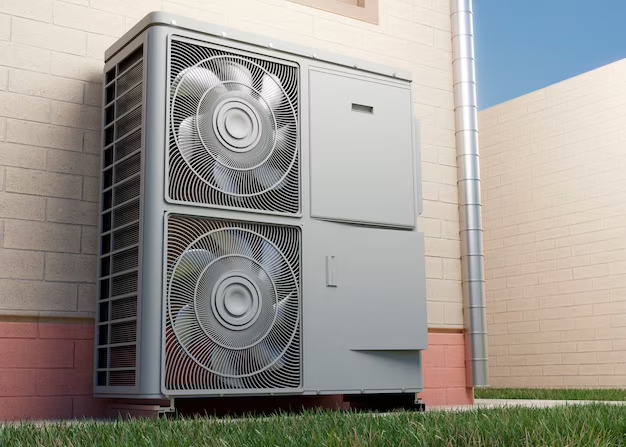
First, a quick refresher on heat pump operation. This ingenious system acts as both an A/C unit for cooling and a heater for warming your home. It moves heat rather than generating it, pulling warmth from outdoor air and circulating it indoors. 

Heat pumps utilize a special refrigerant compound that can absorb heat as it evaporates into a gas. On warm days, the gas absorbs heat inside your home. It’s pumped outside to condense back into liquid, releasing that heat outdoors. During heating mode, the process happens in reverse. The refrigerant grabs heat from outdoor air and deposits it inside, keeping your home comfortably heated.


Why Heat Pumps Can’t Do It Alone 

Heat pumps are extremely efficient, providing about 3x more heat energy than the electrical energy they consume. However, their capacity diminishes in extremely cold conditions. Once outdoor temperatures drop below about 30-40°F, the small amount of heat in the air can’t satisfy heating needs.     

That’s where your gas furnace comes in! The furnace takes over to produce plentiful warmth when the heat pump falters. This hybrid setup with gas backup ensures your home stays warm even when icy winter winds blow. Running both systems in tandem keeps your home comfortable in every Texas weather scenario.


How A Heat Pump Helps Your Furnace 

While the furnace does the heavy lifting on frigid days, the heat pump plays a key supporting role that benefits your furnace:

  • Cuts Run Time: By handling all cooling and milder heating days, the heat pump reduces annual furnace runtime substantially. Less wear and tear helps it last longer. 
  • Provides Warm Air Quickly: The heat pump warms your home on fall and spring days before you need to engage the furnace. This makes the furnace’s job easier when temps finally necessitate its use.
  • Maintains Even Temperatures: Alternating between the two systems means there are less drastic temperature variances that force the furnace to work harder after long off periods. 
  • Enables Efficient Staging: Newer dual-fuel systems can alternate between furnace and heat pump use in stages based on demand. This prevents overheating and wasted energy.
  • Saves Money: Using the extremely efficient heat pump whenever possible reduces fuel consumption compared to furnace-only setups.


Keep Your Systems Synced

To ensure your heat pump and furnace maintain an optimal balance, it’s critical to keep both units well maintained. Check filters, clear debris, address minor repairs promptly, and have a professional tune-up done before each season. Keeping both systems in sync ensures they can work in tandem to provide superior temperature control, efficiency, and indoor air quality.

As your local heating and cooling experts, we’re here to make sure your heat pump and furnace operate as a cohesive team. Give us a call anytime to optimize the performance of your systems. Stay comfortable year-round while maximizing efficiency. Our comprehensive maintenance plans also help you prevent issues and extend the life of your HVAC investment. Call today to discuss maintenance options or schedule service if your heat pump/furnace combo needs attention. Let us help you get the best performance from your life-sustaining heating and cooling systems.
winter insulation

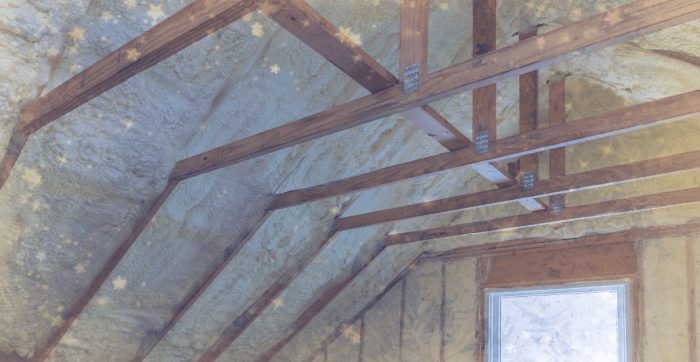
Stay Warmer for Less: Why You Need Proper Home Insulation This Winter

Bundling up in blankets or cranking your heat during Texas winters can still leave you feeling chilly if your home lacks adequate insulation. Proper insulation acts as your home’s protective winter coat, trapping furnace heat to keep you cozy even on frigid nights.  

As your local HVAC & insulation experts, we want to explain exactly why sufficient insulation matters so much for retaining warmth and saving big on energy costs this winter season. Take control of your comfort and winter power bills by making these insulation upgrades:

Save Money By Stopping Heat Loss

A poorly insulated home bleeds precious heating energy in two ways: 

  1. Conduction: Heat transfers directly through thin or porous walls, ceilings, floors, and crawlspaces to the colder outdoor air.
  2. Air Leakage: Gaps around doors, windows, pipes and wiring let heated indoor air escape to the exterior. 

Sealing these openings and adding insulation stops heat transfer and leakage so your furnace doesn’t have to work as hard or run as long to keep your home comfortable. Stopping this wasted heat loss can save you 10-20% on energy bills annually!

Increase Insulation to Recommended Levels 

Many Texas homes were built decades ago with very minimal insulation installed. Upgrading to modern standards ensures enough thickness to slow heat transfer and heat loss. Target insulation levels are:

– Attics: R-38 to R-60

– Exterior walls: R-13 to R-21

– Crawl spaces: R-19 and higher

Adding insulation brings your home up to code so more furnace heat stays inside your rooms rather than wasting energy heating the outdoors. Proper insulation thickness makes a huge impact on thermal comfort.

Seal Sneaky Air Leaks 

Even the best insulation can’t stop heat loss through gaps in the building envelope. Common trouble spots for air leakage allowing heat to escape include:

– Around windows, doors & baseboards

– Electrical/plumbing openings 

– Attic hatch/pull down stairs

– Fireplace & pipe chases

– Recessed lighting fixtures

– Floor and wall joints

Sealing these gaps with caulk, insulation or weatherstripping ensures heated indoor air stays inside the home’s insulated exterior rather than leaking outside through hidden cracks. Tackling air sealing works hand in hand with added insulation to maximize energy savings. 

Make Upgrades Affordable

Some homeowners put off needed insulation upgrades due to cost concerns. But most projects offer lucrative energy savings that offset the investment in under 5 years through lower heating and cooling bills. We also offer discounted insulation services and financing options to help Texas homeowners improve insulation affordably.

Our BPI-certified experts handle your insulation project from start to finish:

– Conducting an insulation audit using advanced diagnostic tools to identify deficiencies

– Sealing identified air leaks and gaps allowing heat loss

– Adding insulation to attics, walls, floors, and crawlspaces to recommended levels 

– Verifying proper ventilation to avoid moisture issues

– Ensuring optimal comfort and energy savings for your home

Take control of your indoor comfort and energy usage this winter! Contact us today to schedule an insulation inspection and estimate. We’ll customize a plan tailored to your home’s needs and budget. Don’t spend another winter shivering in drafty discomfort – proper insulation is one of the best energy-saving investments you can make.

dangerous mold

Managing Humidity and Mold Risks in Summer

Summer heat and humidity can create ideal conditions for mold growth in your home. Keeping humidity under control is key to preventing mold development and potential health hazards. Follow these tips to manage moisture levels and improve indoor air quality during hot, humid weather.  

Monitor Humidity

Use hygrometers placed in your home’s problem areas to track humidity levels. Basements, bathrooms and kitchens tend to have the highest moisture. Ideally, indoor humidity should be kept below 60% to deter mold growth. When outdoor humidity is high, indoor levels can creep up quickly. Keep an eye on the hygrometer and adjust as needed to keep moisture in check.  

Ventilate Properly

Proper ventilation removes moist air from your home before it leads to condensation and mold. Use bathroom and kitchen fans while showering or cooking to vent out excess moisture. Make sure fans are ducted outside, not just recirculating humid air into the attic. Running your AC periodically also helps dehumidify the home by condensing moisture out of the air. Change out HVAC filters regularly so airflow isn’t obstructed. Ventilating effectively also maintains healthy humidity levels.  

Manage Condensation

Condensation results when moist air contacts cold surfaces like windows, pipes and vents. The dampness provides ideal mold breeding grounds. Insulate cold water pipes and ductwork to reduce condensation. Opening blinds and positioning furniture a few inches from exterior walls lets air circulate, minimizing cold surface condensation. Controlling moisture mitigates areas where condensation leads to mold.  

Clean and Disinfect

Even with proper humidity management, some household surfaces get damp and prone to mold in summer. Routinely clean and disinfect places like windows, sills, shower stalls, sinks and basements. Scrub off any visible mold immediately with detergent and water, then use a dilute bleach solution to kill lingering spores. Staying on top of cleaning keeps mold from taking hold.  

Dehumidify Proactively

Portable and HVAC dehumidifiers remove excess moisture from the air to control humidity beyond just ventilation. Use dehumidifiers continuously in problem areas like basements or wherever humidity regularly exceeds 60%. Drain the accumulator tank frequently so the unit runs efficiently. Supplementing with dehumidification prevents humid conditions.  

Check for Leaks

Detecting and fixing water leaks is crucial for mold prevention. Inspect under sinks, at pipe joints, around the water heater and near exterior walls for any moisture or signs of leaks. Have any sources of water intrusion repaired immediately to avoid creating a mold farm.  

Upgrade Insulation

Insufficient insulation allows moisture migration into walls and attics. Ensure insulation meets codes for your area. Adding extra insulation in attics, basements, and crawl spaces helps moderate humidity levels indoors during humid months. Humid summers encourage mold growth if indoor moisture isn’t managed vigilantly. Contact Polaro for AC system inspections and indoor air quality testing to identify humidity issues. Our team can also check insulation, seal duct leaks and ensure proper ventilation year-round. Don’t let mold take over this summer. Implement these tips to maintain healthy humidity and indoor air quality even during hot, humid weather.

Summer HVAC Tips: How to Keep Your HVAC System Running Efficiently

As summer approaches, homeowners start relying heavily on their HVAC systems to keep their homes cool and comfortable. However, running an air conditioner can be expensive, and an inefficient system can lead to high energy bills and frequent breakdowns. In this blog, we’ll provide you with some tips on how to keep your HVAC system running efficiently during the summer months.

  • Change Your Air Filters

One of the easiest and most important things you can do to keep your HVAC system running efficiently is to change your air filters regularly. Air filters help trap dust, dirt, and other particles that can clog your system and reduce its efficiency. A dirty filter can also cause your system to work harder and consume more energy.

During the summer months, when your system is running more frequently, it’s important to check and change your air filters at least once a month. This will help ensure that your system is running efficiently and effectively.

  • Schedule Annual Maintenance

Regular maintenance is essential for keeping your HVAC system running efficiently and avoiding breakdowns. It’s a good idea to schedule annual maintenance with a professional HVAC technician before the summer heat sets in. During a maintenance visit, the technician will inspect your system, clean it, and make any necessary repairs or adjustments.

Regular maintenance can help extend the life of your system and improve its efficiency, which can save you money on energy bills in the long run.

  • Use a Programmable Thermostat

A programmable thermostat can help you save money and improve the efficiency of your HVAC system during the summer months. With a programmable thermostat, you can set your system to turn off or reduce its output when you’re not home, and then turn on or increase its output when you return.

This can help you save money on energy bills by reducing the amount of energy your system consumes when you’re not home. It can also help improve the efficiency of your system by reducing the amount of time it runs unnecessarily.

  • Keep Your Home Well-Sealed

Keeping your home well-sealed is important for keeping your HVAC system running efficiently. If your home is poorly sealed, hot air can enter and cool air can escape, causing your system to work harder and consume more energy.

Make sure your windows and doors are properly sealed, and use weatherstripping to seal any gaps around them. You can also consider adding insulation to your attic or walls to help keep cool air inside and hot air outside.

  • Use Ceiling Fans

Ceiling fans can help improve the efficiency of your HVAC system by circulating cool air throughout your home. When used in conjunction with your air conditioner, ceiling fans can help you feel more comfortable while allowing you to set your thermostat at a higher temperature.

This can help you save money on energy bills and reduce the strain on your HVAC system. Make sure your ceiling fans are set to rotate counterclockwise during the summer months, as this will create a downward airflow that can help you feel cooler.

Keeping your HVAC system running efficiently during the summer months is important for saving money on energy bills and avoiding breakdowns. By following these tips, you can help extend the life of your system and improve its efficiency. Remember to change your air filters regularly, schedule annual maintenance, use a programmable thermostat, keep your home well-sealed, and use ceiling fans to circulate cool air. With these tips, you can enjoy a cool and comfortable home all summer long without breaking the bank.

Indoor Air Quality: Tips for Improving Your HVAC System

Indoor air quality (IAQ) is an essential factor in maintaining a healthy and comfortable living environment. Unfortunately, many homeowners overlook the impact of their HVAC system on IAQ. In this blog post, we’ll explore why IAQ is important, how your HVAC system affects it, and what steps you can take to improve it.


Why is Indoor Air Quality Important?


The quality of the air you breathe has a significant impact on your health and well-being. Poor IAQ can lead to health problems such as headaches, fatigue, allergies, and asthma. It can also impact your comfort level, making your home feel stuffy or musty.


In addition to health and comfort concerns, IAQ can also affect the lifespan and efficiency of your HVAC system. When your HVAC system is circulating dirty or contaminated air, it can lead to clogged filters, decreased airflow, and increased wear and tear on your system. This can result in higher energy bills and a shorter lifespan for your HVAC system.


How Your HVAC System Affects Indoor Air Quality


Your HVAC system plays a crucial role in maintaining IAQ. It circulates air throughout your home, which means that any pollutants or contaminants in the air can be spread throughout your home. Additionally, your HVAC system can become a breeding ground for mold and bacteria if it’s not maintained properly.

Common contaminants that can affect IAQ include:

  • Dust and dirt
  • Pollen and other outdoor allergens
  • Pet dander and hair
  • Mold spores
  • Bacteria and viruses
  • Chemicals and VOCs (volatile organic compounds) from cleaning products, paints, and other household items

Tips for Improving Indoor Air Quality with Your HVAC System

  • Change Your Air Filter Regularly

The air filter in your HVAC system is designed to trap pollutants and contaminants in the air. However, if the filter is dirty, it can’t do its job effectively. Make sure to change your air filter regularly to ensure that your HVAC system is circulating clean air throughout your home.

The frequency of filter changes will depend on factors such as the type of filter you’re using, the size of your home, and the number of occupants. As a general rule, it’s recommended to change your air filter every 1-3 months. If you have pets or allergies, you may need to change your filter more frequently.

  • Use High-Quality Air Filters

Not all air filters are created equal. Some are designed to trap larger particles, while others can trap smaller particles such as mold spores and bacteria. Look for air filters that are rated at least MERV 8 or higher to ensure that you’re getting a high-quality filter that can trap a wide range of pollutants.

You may also want to consider using a HEPA (high-efficiency particulate air) filter. These filters are designed to trap even smaller particles and can be particularly effective for people with allergies or respiratory issues.

  • Schedule Regular HVAC Maintenance

Regular HVAC maintenance is crucial for maintaining IAQ. During a maintenance appointment, your HVAC professional will clean your system, check for any leaks or damage, and ensure that your system is functioning properly. This can help prevent mold and bacteria growth and keep your air circulating properly.

It’s recommended to schedule HVAC maintenance at least once a year. If you have a newer system or live in an area with high humidity or air pollution, you may want to consider scheduling maintenance more frequently.

  • Use UV Lights

UV lights are a type of technology that can kill bacteria, viruses, and mold spores in your HVAC system. These lights can be installed inside your ductwork, which means that any contaminants that are circulating through your system will be exposed to the UV light and killed.

UV lights can be particularly effective for homeowners with allergies or respiratory issues. They can also help keep your HVAC system clean and reduce the risk of mold growth.

  • Improve Ventilation

Proper ventilation is important for maintaining good IAQ. When your home is poorly ventilated, pollutants and contaminants can become trapped inside, leading to poor air quality. There are several steps you can take to improve ventilation, including:

  • Open windows and doors when weather permits
  • Use exhaust fans in the bathroom and kitchen to remove excess moisture and pollutants
  • Install a whole-house ventilation system, such as an energy recovery ventilator (ERV) or heat recovery ventilator (HRV)

Improving ventilation can help remove pollutants from your home and improve the overall quality of the air you breathe.

  • Consider Air Purifiers

Air purifiers are another option for improving IAQ. These devices are designed to remove pollutants and contaminants from the air, which can be particularly helpful for people with allergies or respiratory issues.

There are several types of air purifiers available, including:

  • HEPA air purifiers, which use a filter to trap particles
  • Ionizing air purifiers, which use ions to attract and trap particles
  • UV air purifiers, which use UV light to kill bacteria and viruses

When choosing an air purifier, it’s important to consider your specific needs and the type of pollutants you’re looking to remove from your home.

Maintaining good indoor air quality is essential for your health and comfort, as well as the lifespan and efficiency of your HVAC system. By following these tips, you can improve IAQ and ensure that your HVAC system is circulating clean, healthy air throughout your home. Remember to change your air filter regularly, use high-quality air filters, schedule regular HVAC maintenance, use UV lights, improve ventilation, and consider air purifiers. With these steps, you can breathe easy and enjoy a healthy, comfortable home.

Energy Efficient HVAC Systems: Why You Should Consider Upgrading

As a homeowner, you’re likely always looking for ways to reduce your energy bills and improve the comfort of your home. One area where you can make a significant impact is by upgrading to an energy-efficient HVAC system. In this blog post, we’ll explore why you should consider upgrading and what benefits an energy-efficient HVAC system can provide.


What is an Energy-Efficient HVAC System?


An energy-efficient HVAC system is designed to use less energy while still providing the same level of comfort in your home. These systems are more efficient because they use advanced technology to reduce energy consumption, such as variable-speed motors, improved insulation, and advanced thermostats.


Why Upgrade to an Energy-Efficient HVAC System?

  • Reduced Energy Bills

One of the most significant benefits of upgrading to an energy-efficient HVAC system is that you’ll save money on your energy bills. According to the Department of Energy, heating and cooling account for 48% of the energy use in a typical home, so upgrading to an energy-efficient system can make a big difference. In fact, homeowners who upgrade to energy-efficient systems can save up to 20% on their energy bills.

  • Improved Comfort

An energy-efficient HVAC system can also improve the comfort of your home. These systems are designed to provide consistent temperatures throughout your home, which means you won’t experience cold or hot spots. Additionally, some energy-efficient systems use advanced filtration technology to improve indoor air quality, which can reduce allergies and asthma symptoms.

  • Reduced Environmental Impact

An energy-efficient HVAC system can also have a positive impact on the environment. When you use less energy to heat and cool your home, you’ll reduce your carbon footprint and contribute to a healthier planet. Additionally, some energy-efficient systems use refrigerants that are better for the environment and don’t contribute to ozone depletion.


What Should You Look for in an Energy-Efficient HVAC System?


If you’re considering upgrading to an energy-efficient HVAC system, there are a few things you should look for:

  • SEER Rating

The SEER (Seasonal Energy Efficiency Ratio) rating measures the efficiency of an HVAC system. Look for a system with a SEER rating of at least 14 to ensure that you’re getting an energy-efficient system.

  • Energy Star Certification

Energy Star certification is a program run by the Department of Energy that identifies energy-efficient products. Look for an HVAC system that has earned the Energy Star label to ensure that you’re getting a high-quality, energy-efficient system.

  • Advanced Features

Look for an HVAC system with advanced features, such as variable-speed motors, smart thermostats, and zoning systems. These features can help you save even more energy and improve the comfort of your home.

Upgrading to an energy-efficient HVAC system is a smart investment for any homeowner. Not only will you save money on your energy bills, but you’ll also improve the comfort of your home and reduce your environmental impact. If you’re interested in upgrading, contact your local HVAC professional to learn more about the options available to you.

How Maintenance Programs Prevent HVAC Disasters

As any building owner or manager knows, HVAC systems are critical to the comfort and well-being of occupants. In addition to providing temperature control, HVAC systems can also have a significant impact on indoor air quality, which can affect occupant health and productivity. However, when these systems malfunction or fail altogether, the consequences can be disastrous, leading to costly repairs, lost productivity, and potentially even health risks. That’s why it’s so important to have a comprehensive maintenance program in place to prevent HVAC issues and disasters.

Preventive maintenance is a critical aspect of any HVAC maintenance program. By regularly inspecting and servicing equipment, technicians can identify potential issues before they become major problems. For example, a technician might notice a worn belt on a fan motor during a routine inspection. If left unaddressed, that belt could break, causing the motor to fail and potentially damaging other components in the system. By replacing the belt before it fails, the technician can prevent more serious issues and extend the life of the equipment.

Preventive maintenance can also help ensure that HVAC systems are running efficiently. When equipment is dirty or damaged, it has to work harder to maintain the desired temperature, which can result in higher energy bills and decreased equipment lifespan. Regular cleaning and maintenance can help keep equipment running smoothly, improving energy efficiency and reducing wear and tear.

Another important component of any HVAC maintenance program is regular system testing and monitoring. This includes testing and calibrating thermostats and other control devices, monitoring refrigerant levels, and inspecting ductwork and other system components for leaks. By keeping a close eye on these critical components, technicians can ensure that systems are operating at peak efficiency and catch any issues before they turn into major problems.

In addition to preventing equipment failures and improving energy efficiency, regular maintenance can also help improve indoor air quality. Dust, dirt, and other contaminants can build up in HVAC systems over time, leading to poor indoor air quality and potentially even health risks for occupants. Regular cleaning and maintenance can help remove these contaminants and ensure that systems are operating as intended, providing clean and healthy air for building occupants.

Perhaps most importantly, a comprehensive maintenance program can help prevent disasters that could otherwise have serious consequences. For example, a poorly maintained HVAC system could leak carbon monoxide, leading to serious health risks for occupants. In extreme cases, a neglected HVAC system could even spark a fire, potentially causing significant property damage or even loss of life. By maintaining HVAC systems to a high standard, building owners and managers can prevent these types of disasters from occurring.

Ultimately, investing in a comprehensive HVAC maintenance program is a smart decision for any building owner or manager. By preventing equipment failures, improving energy efficiency, and ensuring healthy indoor air quality, a maintenance program can help prolong the life of HVAC systems and save money in the long run. And, perhaps most importantly, it can help prevent disasters that could otherwise have catastrophic consequences. So if you haven’t already implemented a maintenance program for your building’s HVAC systems, it’s time to start now. Your occupants and your bottom line will thank you.